Climate pulse
Greenprint

COP31 opens: finance and fossil fuels in focus
What happened?
COP31 is under way in Antalya, with talks scheduled to run to 20 November. The key battlegrounds: climate finance and adaptation funding, a ‘just transition’ mechanism, and whether a move away from fossil fuels makes it into the final deal.
What does this mean for businesses?
Whatever is agreed at the close will set the tone on carbon, finance and the pace of the transition - feeding into regulation, supply-chain expectations and the cost of capital over the years ahead.

The Budget's pragmatic pivot on energy
What happened?
The 28th October Budget pushed 'cheaper energy': 0% VAT on electricity extended and a £100 winter payment. But VAT on energy-saving materials rises to 5% in 2027, Warm Homes grants become loans, and a new Data Centre Covenant adds conditions.
What does this mean for businesses?
Retrofit takes the hit: pricier energy-saving materials and loans in place of grants raise costs for landlords and could cool demand for installers and suppliers. Data centres will have to meet clean-power and grid conditions to win support.

Brazil maps a global route off fossil fuels
What happened?
Days before COP31, the Brazilian presidency launched a voluntary roadmap for moving the world off fossil fuels - a non-binding, phased plan to 2033. It is a contribution, not a negotiated text, and oil producers resist putting it in the deal.
What does this mean for businesses?
Plan on a managed wind-down of fossil fuels. The roadmap isn’t binding, but it shows where energy and fossil-exposed sectors are heading - so firms planning assets and supply chains into the 2030s should build it into their base case.

Drought still grips England despite the rain
What happened?
The Environment Agency says England remains in widespread drought - reservoirs at 58%, 19% below average, and 2026 already a record year for drought incidents. Even after late storms, 120% of normal winter rain is needed to recover by spring.
What does this mean for businesses?
Water is shifting from a given to a risk for farming, food and drink, manufacturing and data centres. With abstraction limits and hosepipe bans now widespread, water resilience deserves the same planning attention as energy.

The UN says a 1.5°C overshoot is now unavoidable
What happened?
UNEP's Emissions Gap Report (21 October) says a temporary overshoot of 1.5°C is now 'imminent and unavoidable'. On current policies the world is heading for about 2.8°C by 2100, and renewables are the only sector on track.
What does this mean for businesses?
For business, overshoot makes physical risk - heat, floods, supply-chain disruption - a planning baseline, not the distant worry it used to be. Credible cuts still decide how high warming peaks, so a real transition plan beats a pledge.

Gas, not net zero, is driving up power bills
What happened?
Carbon Brief analysis of Nesta data (21 October) finds nearly 90% of the rise in UK electricity bills since 2020 comes from expensive gas, not net-zero policy. Clean-power contracts are actually trimming bills, by about £17.
What does this mean for businesses?
Industrial and business energy bills are hostage to gas, not green levies, so the hedge is using less of it - efficiency, electrified heat and transport, clean-power deals. It also rebuts the 'net zero drives up bills' line that can stall action.

Nature plans fall short as COP17 opens
What happened?
The COP17 biodiversity summit (Yerevan, 19-30 October) opened with a UN review finding national nature plans 'insufficient' for the world's 2030 goals. Nature finance is short too - about $18bn against a $20bn-a-year target.
What does this mean for businesses?
Nature is following carbon onto the agenda - supply-chain risk in food, water and land, and disclosure via frameworks like TNFD. Firms that measure their nature impacts and dependencies now will be ahead as expectations tighten.

France and Germany soften the 2035 engine ban
What happened?
France and Germany are moving to weaken the EU's 2035 car CO2 target - toward about 90% below 2021, not 100% - leaving room for some hybrids and e-fuels. The 2035 review now sits with the European Parliament.
What does this mean for businesses?
The 2035 goalposts may move, but the market direction stays electric. Fleets, logistics and anyone in the auto supply chain should keep planning for electrification - and charging - rather than bank on temporary reprieves.

Carbon credits get pricier as buyers chase quality
What happened?
Ratings firm Sylvera's Q3 report (6 October) found carbon-credit retirements fell about 9% year-on-year, yet the average price rose 22% to $6.92 as buyers chased quality - investment-grade credits were 18% of volume but 42% of value.
What does this mean for businesses?
The voluntary carbon market is shifting to quality over quantity. Firms should choose independently rated, high-integrity credits over the cheapest, where a low price often means far lower quality - and a future reputational risk as scrutiny rises.
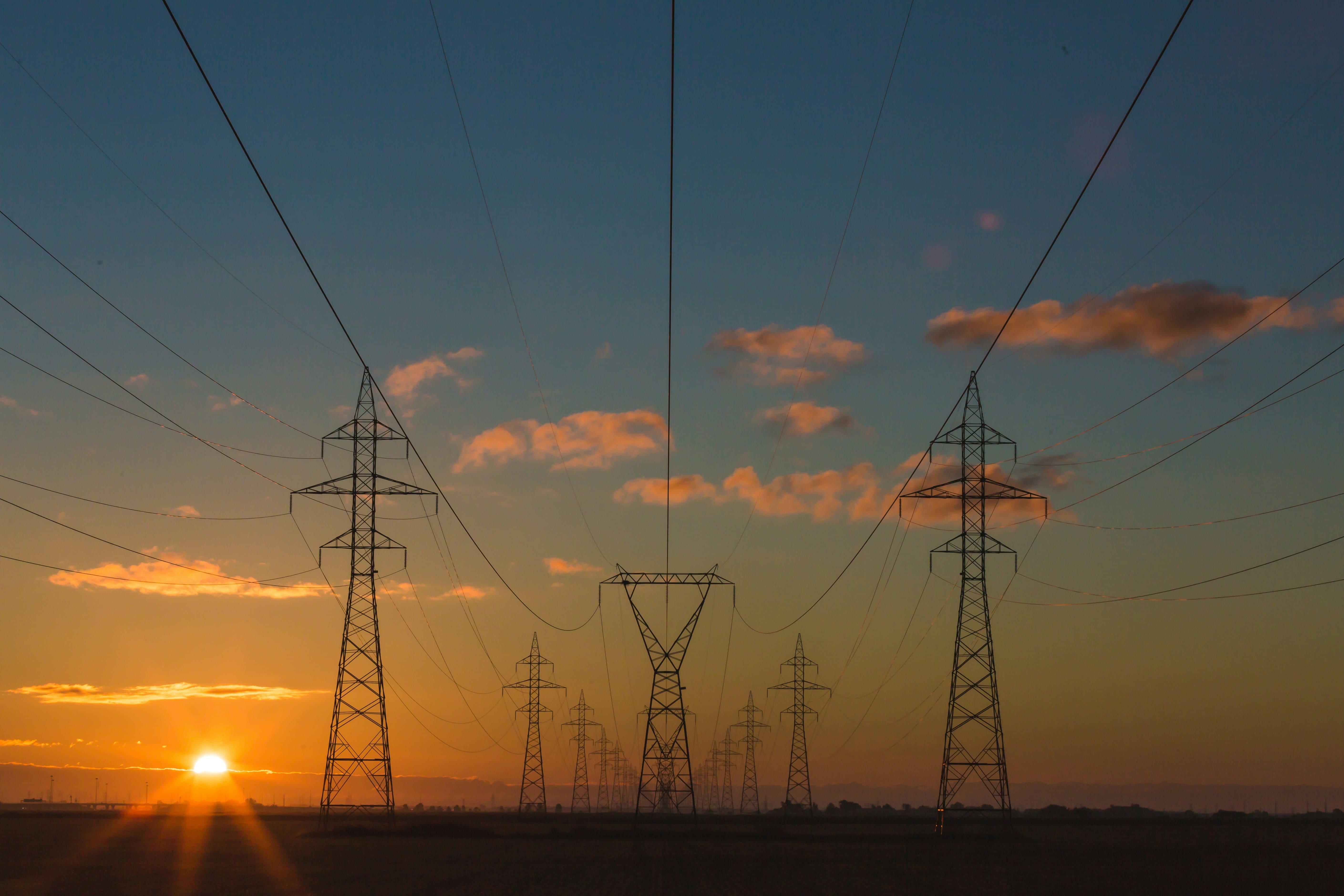
Electrification takes centre stage before COP31
What happened?
Ahead of COP31, the Turkish presidency's new '35 by 35' pledge aims to lift electricity to 35% of global final energy use by 2035. The IEA says about a third is cost-effectively within reach, and the UK is urging firms to 'electrify now'.
What does this mean for businesses?
Electricity is becoming the backbone of the energy system. Firms that electrify heat, transport and processes - and lock in clean power - cut exposure to volatile fossil-fuel prices and follow where investment and policy lead.
We use necessary cookies to make our website and app work, and optional cookies for analytics, feedback and marketing. Learn more in our cookie policy.
We use necessary cookies to make our website and app work, and optional cookies for analytics, feedback and marketing. Learn more in our cookie policy.
We use necessary cookies to make our website and app work, and optional cookies for analytics, feedback and marketing. Learn more in our cookie policy.